Pinal County, Arizona, Sheriff Ross Teeple, Shively, Kentucky, Police Chief Andre Bottoms and attorney Jacqueline Goodman join "Katie Pavlich Tonight" to discuss the growing national debate over Flock cameras. As several cities and jurisdictions move to cancel contracts or allow agreements with the surveillance technology company to expire, supporters and critics continue to clash over issues of public safety, privacy and oversight. #flockcameras #debate #surveillance "Katie Pavlich Tonight" offers a conservative take on the day’s events while welcoming all viewpoints. The goal: cutting through left-right bias in pursuit of plain facts and honest analysis.
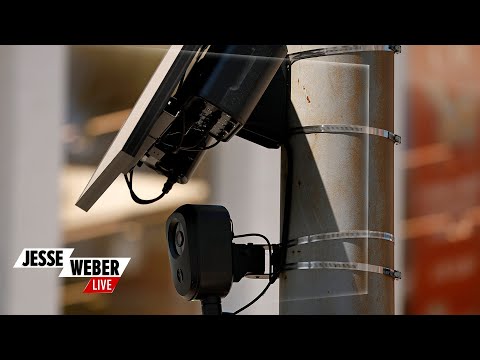
Surveillance technology company Flock Safety announced new safety measures for its products, including a reduction in data retention. This comes after the police tech company faced scrutiny over privacy concerns from lawmakers. Cybersecurity expert Jake Williams joins "Jesse Weber Live" to discuss the new changes. "Jesse Weber Live" brings a fresh, fast-paced, and often unexpected take on the day’s headlines, diving into the biggest stories through the lens of legal expertise.
To provide more local control, the company said it would allow individual police departments to restrict what other law enforcement agencies can see. For example, an agency could allow access to data on stolen vehicles but not immigration violations.
AI:Flock is attempting a desperate damage-control pivot by announcing new privacy protections designed to appease those revolting against their creepy camera network. The company claims it will grant local law enforcement the ability to restrict data sharing, potentially allowing departments to hide information regarding immigration violations from other agencies. Despite these calculated PR maneuvers intended to stave off bipartisan backlash and vandalism, skeptical critics remain unconvinced by this superficial attempt to mask a massive surveillance apparatus under the guise of local control.Open
Some Americans are criticizing law enforcement for using flock cameras, which are license plate readers, to track people they are looking for. Katy Tur has more details on the debate.
There is growing pushback across the country concerning automated license plate readers, particularly those made by Flock. Police and the company say the cameras helped solve crimes, but officers in several states have been accused of misuse, and critics warn the cameras' capabilities infringe on privacy rights. NewsNation's Bennett Haeberle joins "NewsNation Live" with the latest. Get a fast-paced look at the latest from the border to Main Street to the White House on "NewsNation Live" with Nichole Berlie. Weekdays starting at 12p/11C. NewsNation is your source for fact-based, unbiased news for all Americans.
Flock cameras are marketed to police and local officials as a way to track criminals, but following hundreds of reports of police abuse and cases of mistaken identity, local leaders nationwide are pushing back on the camera network. Some are calling for a complete ban. Knox County, Tennessee, Mayor Glenn Jacobs discusses the concerns about these license plate reader cameras on "Morning in America." Start your day with "Morning in America," NewsNation's live three-hour national morning newscast hosted by Markie Martin. Weekdays starting at 6a/5C. #MorningInAmerica NewsNation is your source for fact-based, unbiased news for all Americans.